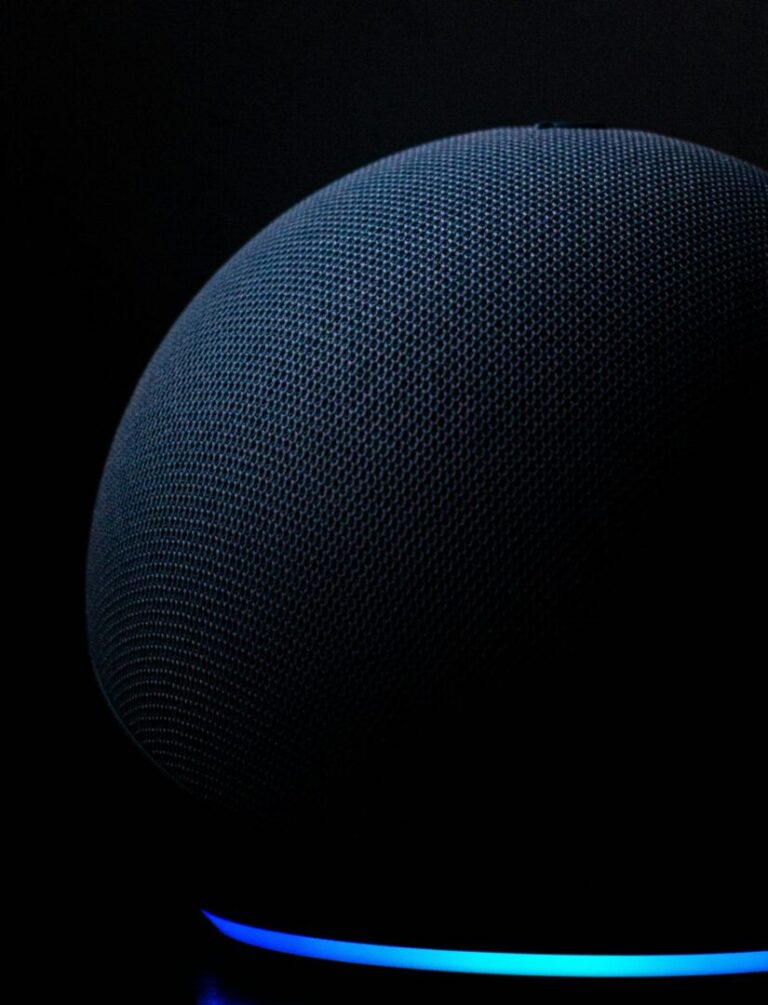
First released by Amazon in 2014, the digital voice assistant Alexa allows users to connect and automate their smart home devices through the sound of their voice. Alexa’s automation of domestic spaces comes, however, with its own set of anxieties. How much data does Alexa sense and capture, and how is this data used? How is agency distributed between humans and the machines surrounding them? Is Alexa an empowering tool, or an invasion of privacy that undermines human agency? In this paper, we trace the ways in which the anxieties surrounding the blurred boundaries of human and non-human agencies introduced by the Alexa interface are represented and negotiated across different narrative forms and archives. Firstly, we turn to the corporate promotional media produced by Amazon in selling its assistant. Secondly, we analyze Alexa’s representation in the web horror genre known as “creepypasta”—first-person narratives written in and for online communities. We frame the interplay between these archives as an entangled narrative field of contestation, which we engage with through a practice of diffractive reading. The images and ideas of each narrative corpus adapt to and are affected by the materials and tropes forwarded by the other. As a result of this interplay, Alexa becomes a monstrous placeholder for the anxieties of its users, whose erratic and pervasive agency endangers every facet of their existence. The analysis of these narratives provides valuable insights into the anxieties surrounding the ongoing encroachment of digital platforms into the lives of humans.
Articles by Nuno Galego Marques Atalaia
Nuno Atalaia is an author, researcher, teacher, and musician based in the Netherlands. They completed two degrees in flute and conducting at the Royal Conservatoire The Hague, and studied art history and literature at Leiden University. They hold a doctoral degree in Cultural Studies and Critical Media Studies from Radboud University Nijmegen, within the ERC funded project “Platform Discourses: A Critical Humanities Approach to the Texts, Images, and Moving Images Produced by Tech Companies.”
They are a co-founder and Artistic Director of the ensemble Seconda Prat!ca. Their musical work includes recordings for labels such as Harmonia Mundi and Carpe Diem, as well as collaborations with international broadcasters. They are lecturer in Screen Media at the Leiden University LUCAS centre. Alongside their performance activities and lecturing, they write and publish in academic contexts (including Leiden University Press and Transcript) and in literary genres, including poetry, fiction, and theatre.