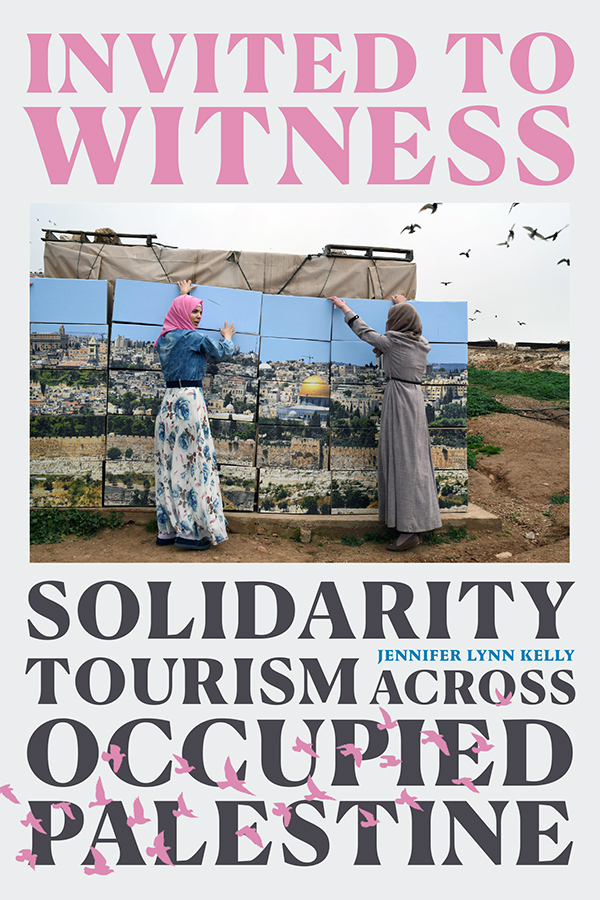
Jennifer Lynn Kelly’s Invited to Witness: Solidarity Tourism Across Occupied Palestine is a timely and informative look at conditions on the ground in occupied Palestine. Kelly’s work shows how tourists, in particular Western tourists and tourism can counter the ongoing genocide and displacement of Palestinians. Kelly offers several case studies including tours and workshops across occupied Palestine. Tourism is a performative action whereby tourists travel and eventually return home, changed in some way by the process. For Kelly, this transformative potential is what activists in Palestine are seeking to tap into. Tourists are invited to witness, and empowered to return home and work towards Palestinian liberation elsewhere.
Keyword: tourism
Spectacle, Surveillance, and Discipline: Synopticism at the Angola Prison Rodeo

The Angola Prison Rodeo is a distinctive penal spectacle that challenges conventional understandings of incarceration, visibility, and institutional legitimacy. While modern punishment typically conceals violence, the rodeo publicly stages inmate bodily harm as entertainment. Drawing on ethnographic data from the 2023 and 2024 rodeos, this research explores how such visibility paradoxically reinforces carceral authority. Spectators interpret the event through familiar cultural narratives of traditional rodeo culture and dominant rehabilitation narratives, transforming penal violence into a palatable and even celebrated ritual. Inmates, meanwhile, navigate the rodeo as a space of constrained agency, motivated by financial incentives and opportunities for self-representation. Yet inmate participation is shaped by institutional approval and structural coercion. Crucially, the rodeo produces a synoptic surveillance dynamic—where the many watch the few—that complements the prison’s panoptic control, enlisting public spectatorship as both ideological legitimation and material support for the institution. By blending Gramscian cultural hegemony with Foucauldian disciplinary power, the Angola Rodeo emerges as a ritual that not only sustains but expands the cultural and economic reach of the carceral state.
Review of Postcolonial Nations, Islands, and Tourism: Reading Real and Imagined Spaces by Helen Kapstein (Rowman & Littlefield International)

Helen Kapstein’s book Postcolonial Nations, Islands, and Tourism: Reading Real and Imagined Spaces positions tourism as a form of colonialism. Specifically, the author lays out the similarities between different forms of modern day tourism and how they reflect colonial practices, with reference to three foundational values: surveillance, control, and consumption. Kapstein’s book is a riveting read and is perfect for those interested in post-colonialism, tourism, the creation of real and imagined spaces and desire studies.