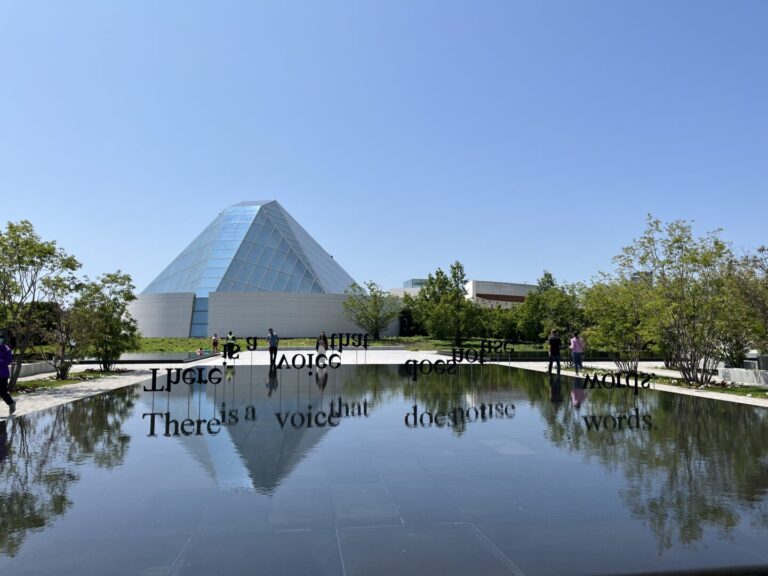
In Canada, Indigenous, racialized, and immigrant communities face systemic challenges in securing and sustaining cultural spaces due to real estate speculation, funding disparities, and exclusionary urban policies. These barriers not only threaten the continuity of cultural expression but also diminish the visibility and influence of marginalized artistic practices. This article explores how these communities resist spatial erasure through artistic interventions, grassroots activism, and alternative funding models, positioning their creative practices as sites of political-economic critique and creating alternative futures. The article emphasizes the connections between colonialism, anti-Black racism, and Islamophobia in contested cultural space dynamics.By mapping sites of artistic resistance and community-led cultural preservation, this article reveals the transformative potential of art as a tool for reimagining urban futures. It argues that sustainable multicultural urbanism requires policies that protect and invest in culturally significant spaces, recognizing them as vital components of both social infrastructure and political resistance. This article emphasizes the importance of recognizing culture as the fourth bottom line as part of urban development projects. The findings offer insights for policymakers, urban planners, and cultural organizations committed to fostering inclusive and equitable urban environments. Ultimately, this article contributes to the conversation on political economy and the arts by demonstrating how racialized and immigrant communities’ creative practices challenge dominant narratives of urban development, asserting their right to cultural sustainability and spatial justice.
Articles by Ushnish Sengupta
Ushnish Sengupta is an Assistant Professor in Community Economic and Social Development at Algoma University. He has a PhD from the Ontario Institute for Studies in Education, an MBA from the Rotman School of Management, and a degree in Industrial Engineering from the University of Toronto. Sengupta’s research interests focus on the interaction between the social sector and its social, technological, environmental, economic, political, and cultural contexts. The current focus of his research is the social and environmental impacts of the adoption of technology in Smart City projects, and the role of equity deserving cultural organizations in urban spaces.