Issue 15.1 (Spring 2026)

Editors’ Introduction: The Long 2025
By Eero Laine, SAJ, Yumi Pak, Robert F. Carley, Alyson K. Spurgas & Chris Alen Sula
On the one hand, the events of this long 2025 are exceptional for their dissolution of the status quo. Yet on the other hand, the unpredictable and uncontrollable consequences of racial capitalism, fascism and US imperialism, and global climate devastation are not new to this period of history and have long established precedents. Read more >
“Urban Willow” by Ian Sane (CC BY 2.0)
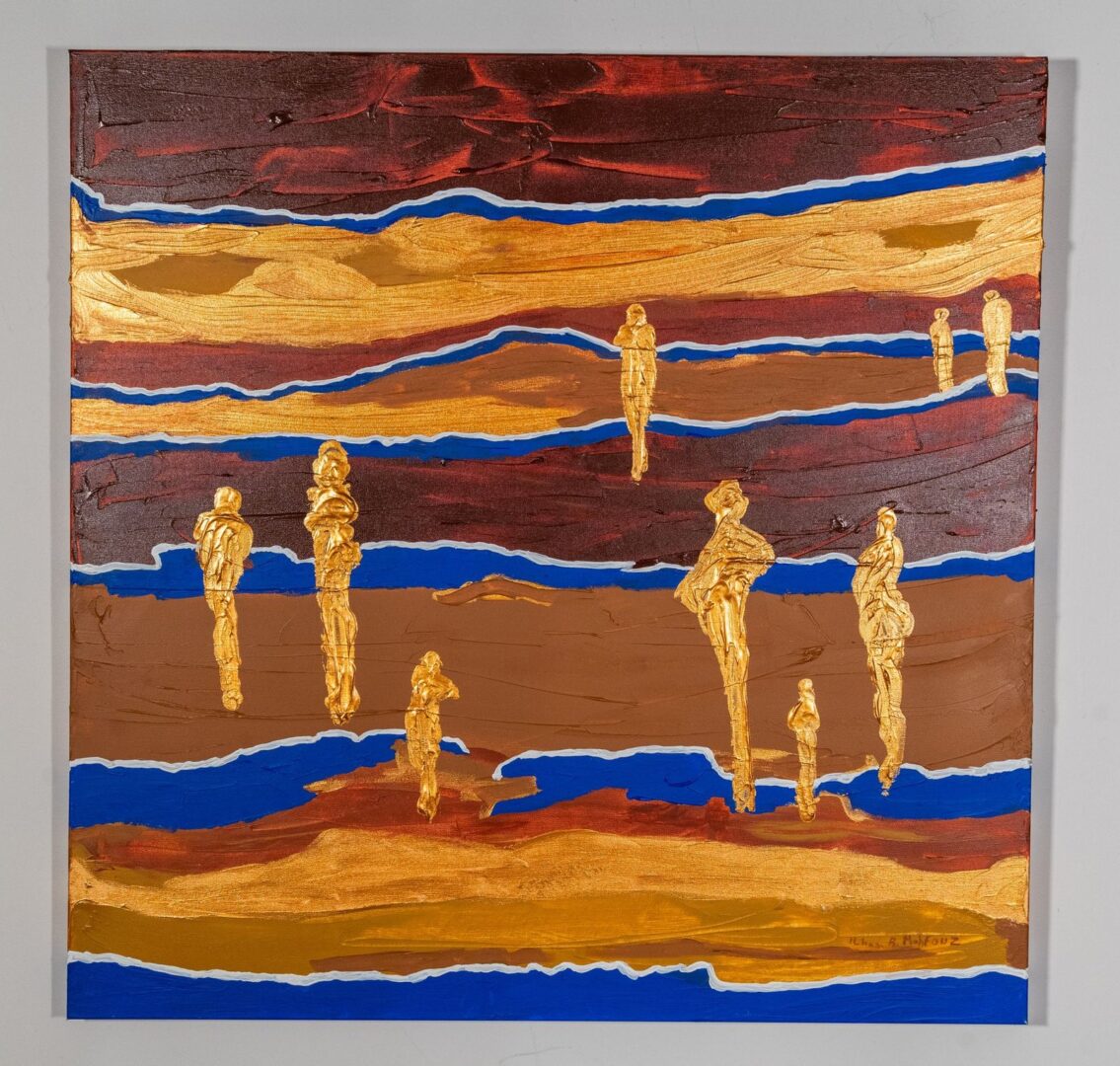
Documenting Displacement Through Art: Participatory Digital Archiving as Resistance and Solidarity
Archives primarily contain records about refugees rather than by refugees, while news media and political discourse often frame displacement through dehumanizing metaphors and crisis spectacle. This article examines how participatory digital archives can intervene in these representational regimes. Focusing on The Amplification Project—a community-led archive of displacement-related art—I theorize collective interventionist archiving as collaborative work that leverages digital archives to disrupt dominant frames and shift the terms through which refugee lives are represented. Through analysis of the archive’s founding, both relationship-based and crowdsourced collection development, and circulation practices, I demonstrate how such archives create infrastructure for encountering refugeedom on terms… Read more >

cryptojewish speculations for a black planetary
A movement is growing to reimagine jewishness in a decolonial frame. As zionism loses its grip over white and white-passing jews in the global north, and with increasing momentum after Israel’s genocidal reprisal following the events of October 2023, the geopolitical figuration of jewishness has never been more contested. Yet while profound conversations unfold between black and indigenous studies, and across ethnic and cultural studies more broadly, jewishness and jewish studies rarely find a place at the table of critically situated identities. This essay argues that contemporary discussions of possible antiracist and decolonial futures should include a robust analysis of… Read more >

The (Neo)colonial Sentimentality of 90 Day Fiancé and the Figure of the Heartless Filipina
In its depiction of interracial, international marriage, the reality television show 90 Day Fiancé has become an object of morbid fascination to US and global audiences alike. Featured prevalently in the series, couples consisting of white US men and Filipina women constitute a recurring motif through which 90 Day Fiancé solidifies the institution of marriage as a locus for creating and enforcing politics of global capital, heteronormative gender, racialization, and imperialism. This article focuses on the depiction of a couple, Larry and Jenny, as one example of how the series restages the abusive colonial relation between the US and the… Read more >
Blackness and the Sociality of Sports: A Conversation with Fred Moten
Using the management of Black athlete protest (e.g., Colin Kaepernick, Naomi Osaka, LeBron James, Brittney Griner) in the post-Ferguson era as a foil, Fred Moten, Roberto Sirvent, and Charles Athanasopoulos engage in a critical conversation surrounding Black sociality which has bearing on the arenas of sports, art, and the academy. The discussants ponder the appropriate terms for considering how Black athletes themselves may have their own investments in the logics which reduce them to countable units: perversity, codependency, co-option, complicity, ambivalence, do words even go there? How do such terms come each with their own assumptive and diagnostic logics? How… Read more >
Years in Cultural Studies
Edited by Josen Masangkay Diaz
How do we practice cultural studies by attending to a year? What are the multiple, myriad, overlapping, and conflicting stories that a year holds? How do these stories upend and undo each other? How does one attend to the historical in ways that remain committed to the messy, unwieldy transformations of cultural life? How does one grapple with culture in ways that heed the urgency of politics? The year as prompt asks who and what is made possible by a particular retelling and who and what is occluded by that retelling.
Introduction: A Reflection on Years
As an introduction to the Years section of Lateral, this essay suggests that the present-day “culture war” offers an opportunity for cultural studies to reflect upon the narration of time, especially through the invocation of important years in history. Read more >
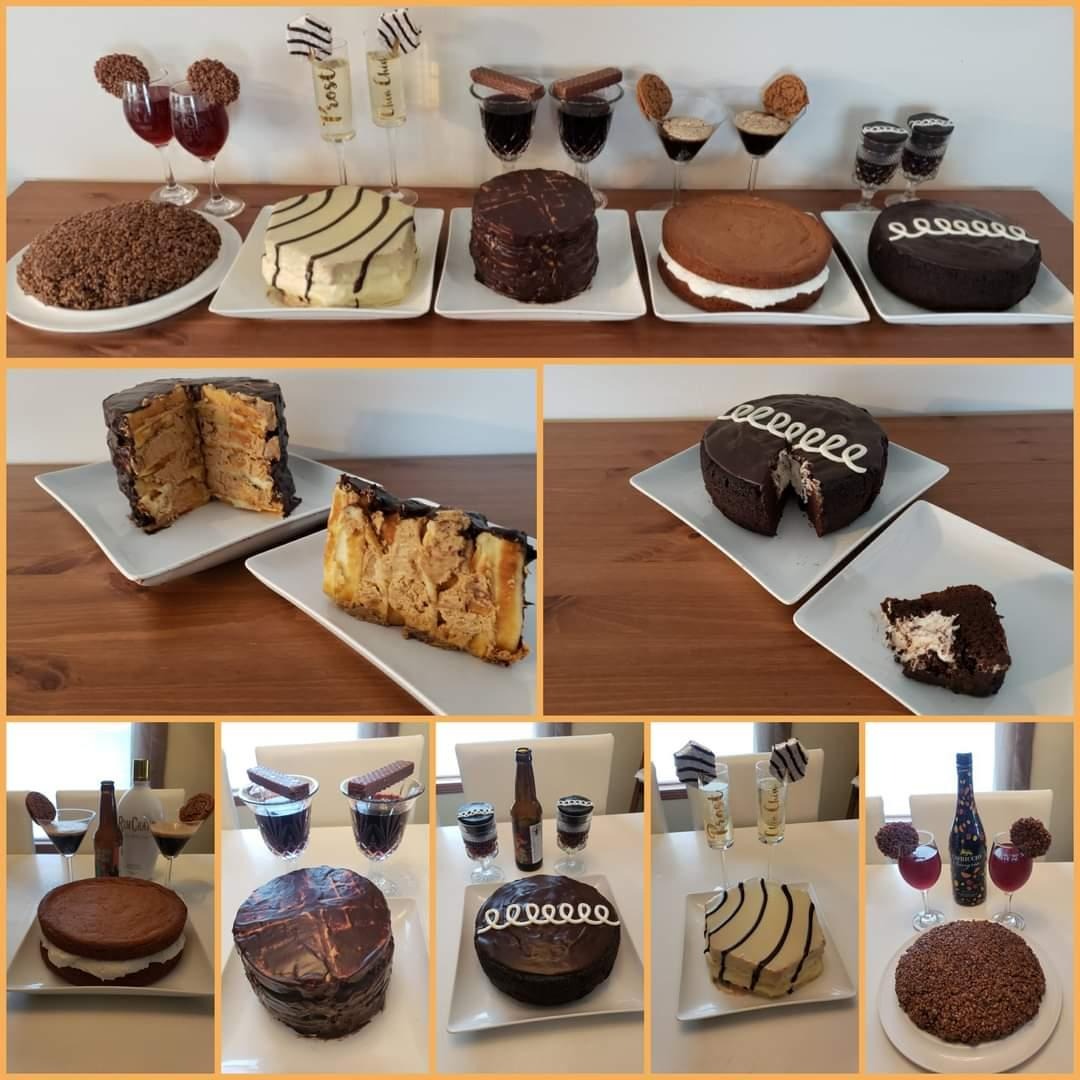
A Year of Baking, Building Community, and Developing Divergent Pedagogical Practices During Uncertain Times
During the COVID-19 lockdown, I joined a Facebook group of scholars with a non-scholarly focus called “Baking in Uncertain Times.” The online community offered participants a series of weekly baking challenges, intended in part to allow those who might be feeling alone and unfocused by the pandemic a chance to come together virtually to create food as well as a shared baking experience/memory. While the group wasn’t intended as a pedagogical model or outlet, my participation in this highly distributed baking community has transferred to my teaching, specifically with how I approach learning through doing. Drawing on Annemarie Mol’s concept… Read more >
Political Economy and the Arts
Edited by Katerina Paramana
Political Economy and the Arts seeks to address how art and political economy might impact, critique, and reflect on one another and their futurity through the staging of conversations across the fields of visual and performing arts, cultural studies, visual cultures, politics, economics, human geography, social theory, and health and well-being.
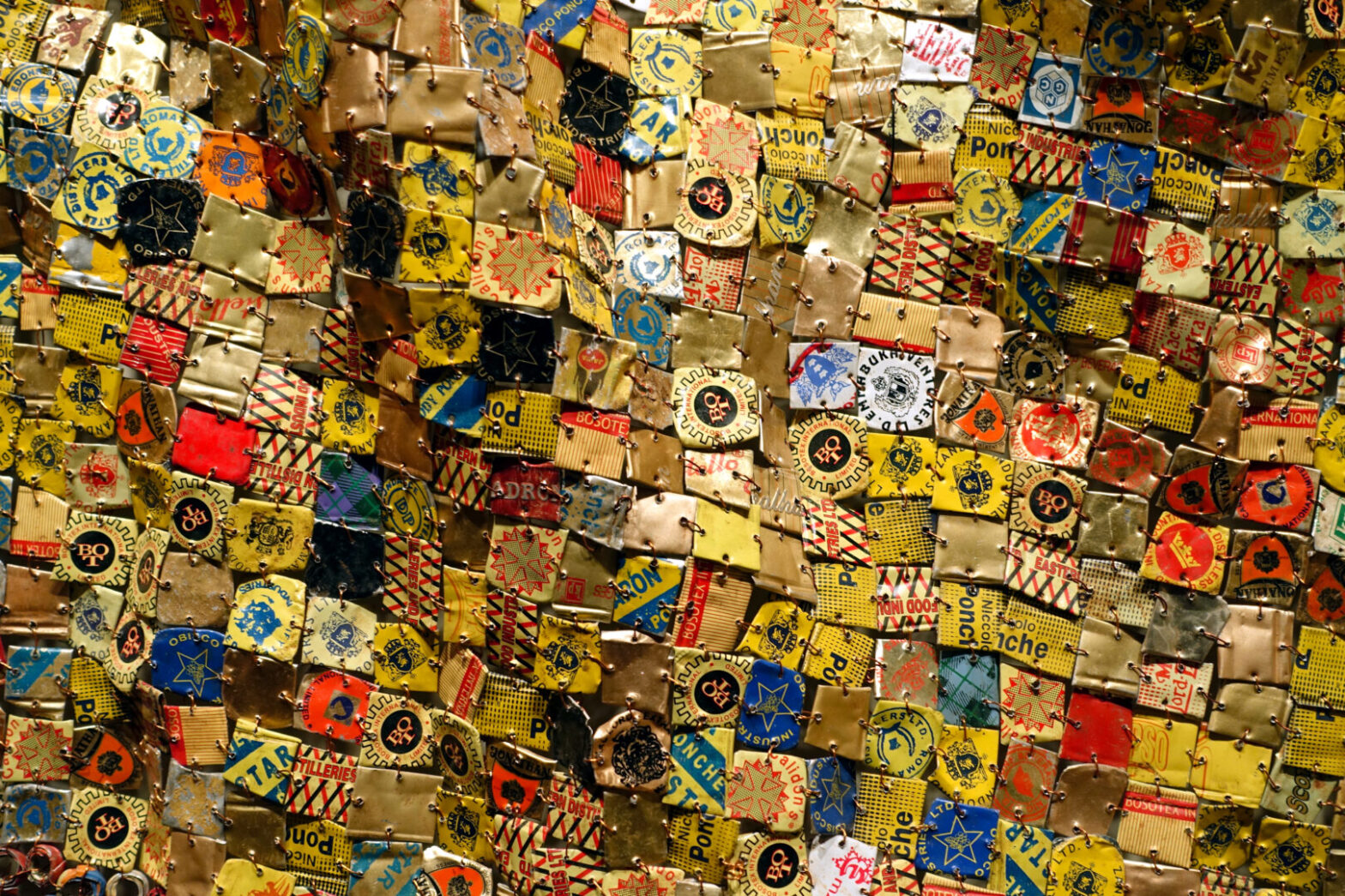
Introduction – Space-Making and Practices of Resistance
Here, Katerina Paramana introduces the articles in the “Political Economy and the Arts” special section of this issue. In the current climate of geopolitical upheaval (from Ukraine, to Gaza, Iran, Venezuela, and Greenland), the articles illuminate what arts do to produce resistance at a micro level by re-writing problematic narratives, visibilizing marginalized communities, imagining alternative models and futures, and working towards equitable space-making. Read more >
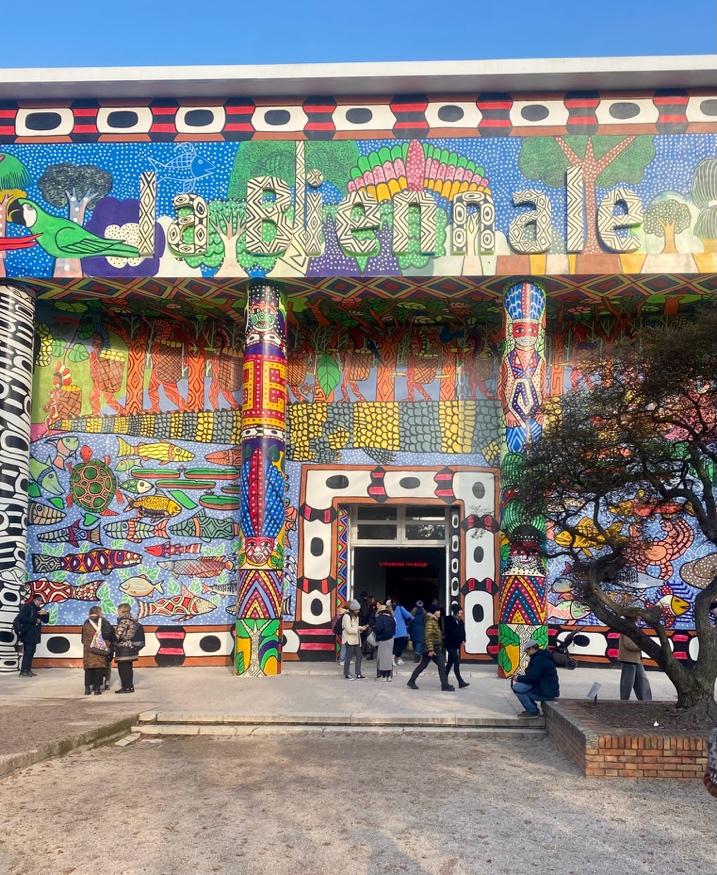
The Indigenous Turn, or the Spectacle of Otherness: Cultural Political Economies of the 60th Venice Biennale, Foreigners Everywhere
The 60th Venice Biennale, Foreigners Everywhere, placed the figure of the foreigner at its center, drawing on Adriano Pedrosa’s curatorial idea that foreignness is a pervasive condition of human existence. Within a broad spectrum of “minoritarian foreigners,” the “Indigenous” emerged as a particularly charged symbolic figure. This article situates the Biennale as a global institution whose strategies of expansion and rarefication sustain its symbolic power, examining four “framing moments” of Indigenous representation in the 60th edition: cosmologies, objects, alternative modernisms, and memory. These framings variously spiritualize, aestheticize, historicize, and politicize Indigeneity, producing visibility around Indigenous cultures in an exclusive environment… Read more >
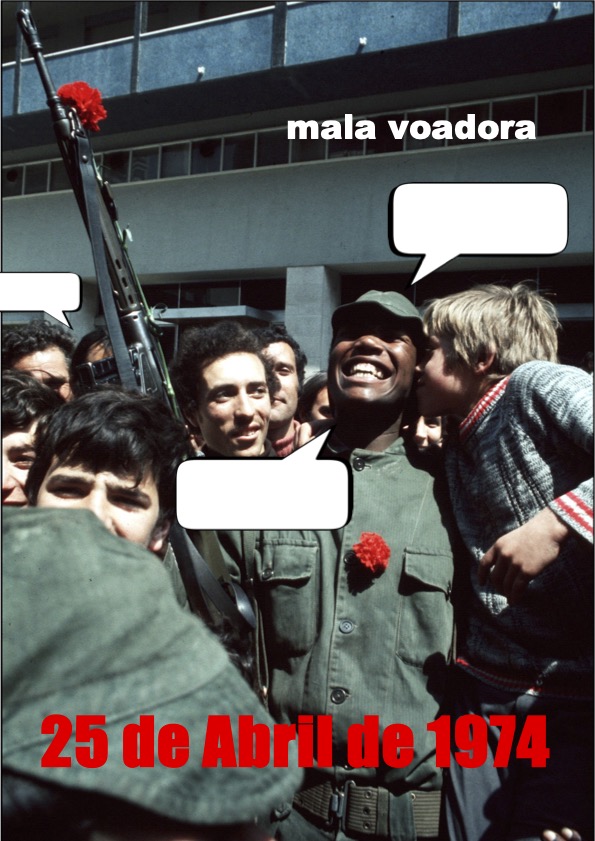
Affective Economies of Freedom in Paradoxical Times
This article proposes the concepts of “brutal” and “gentle” affects as a critical framework to analyze affective economies of freedom in paradoxical times. Drawing on Sara Ahmed’s work on affect, Sruti Bala’s on participation, and Franco Berardi’s on freedom, it argues that freedom emerges not solely as a historical achievement of an inalienable right, but as an embodied experience enhanced by theatrical dispositifs. I consider forms of celebrating, performing, and capturing freedom in paradoxical times, including the staging of the fiftieth anniversary of the Carnation Revolution; the production 25th of April 1974 by Portuguese company Mala Voadora; and The Seagull… Read more >
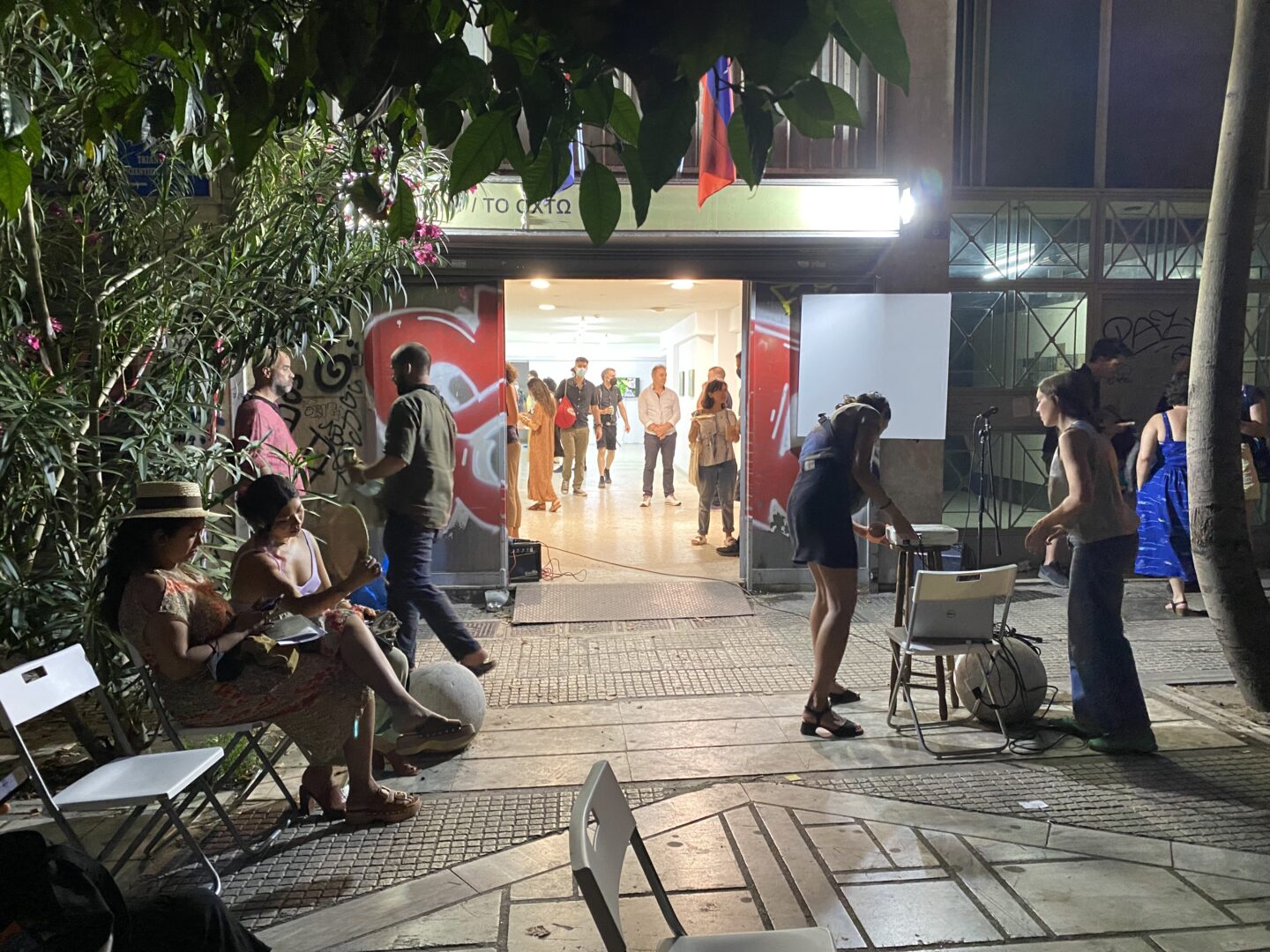
Unsettling Political Economies: Instituting, Blurring, and Monstrous Space-Making
This article explores the ways in which emergent cultural space-making practices—particularly practices of “instituting,” “blurring,” and “monstrous space-making”—challenge and ephemerally unsettle political and economic systems. It focuses on the history of the cultural space, EIGHT Critical Institute for Arts and Politics, in Athens, Greece. The concept of “instituting” is discussed as a form of space-making that refuses structuralization, while “blurring” signifies a process of dissolving boundaries and categories to create fluid, unpredictable spaces that resist fixed identities. The notion of “monstrous space-making” is introduced as a method of excess and refusal, capable of disrupting dominant political economies. The article argues… Read more >
Cultural Space as Resistance: Racialized and Immigrant Communities’ Artistic Practices and the Political Economy of Urban Development in Canadian Cities
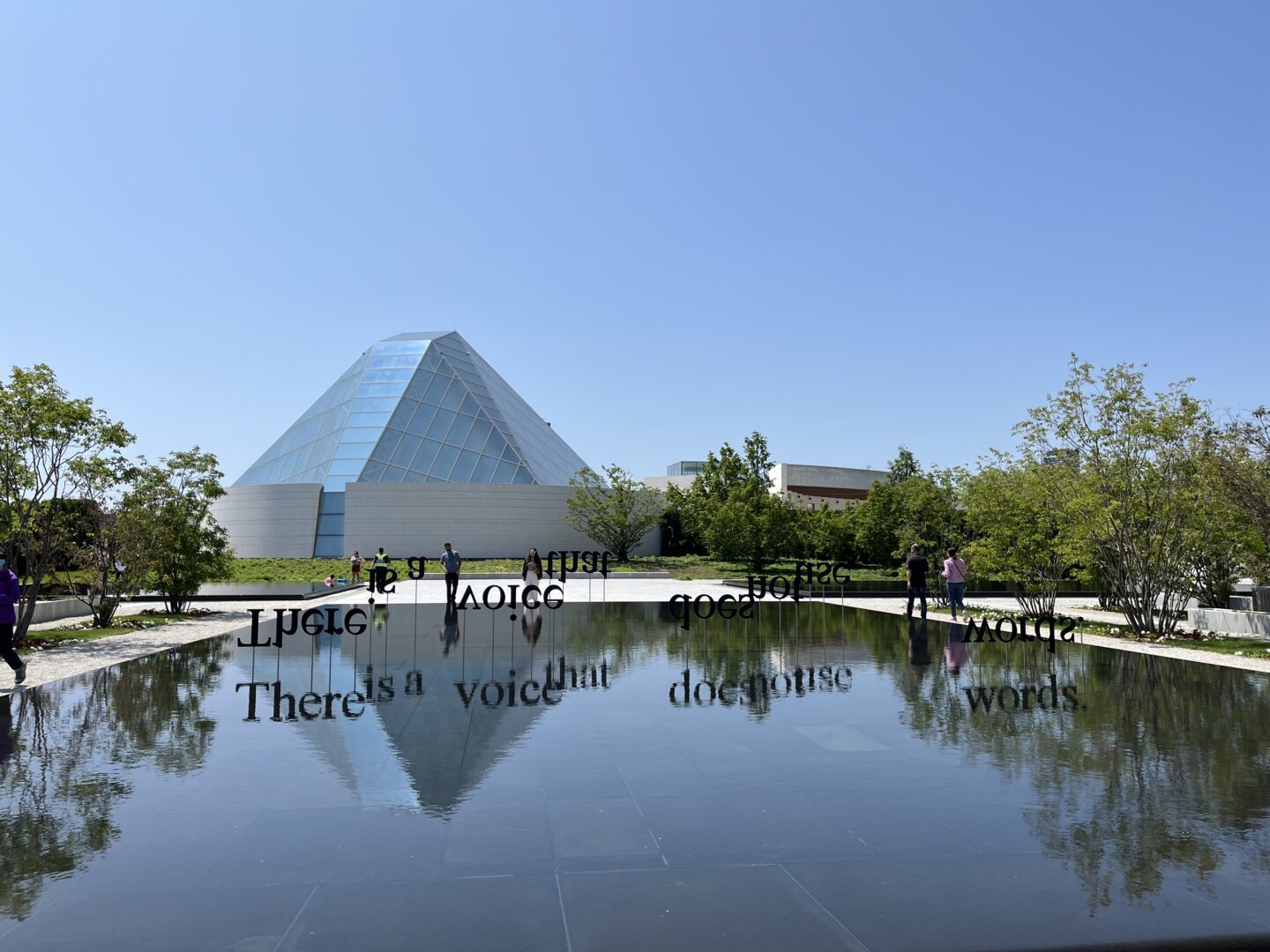
In Canada, Indigenous, racialized, and immigrant communities face systemic challenges in securing and sustaining cultural spaces due to real estate speculation, funding disparities, and exclusionary urban policies. These barriers not only threaten the continuity of cultural expression but also diminish the visibility and influence of marginalized artistic practices. This article explores how these communities resist spatial erasure through artistic interventions, grassroots activism, and alternative funding models, positioning their creative practices as sites of political-economic critique and creating alternative futures. The article emphasizes the connections between colonialism, anti-Black racism, and Islamophobia in contested cultural space dynamics.By mapping sites of artistic resistance… Read more >