
Using the management of Black athlete protest (e.g., Colin Kaepernick, Naomi Osaka, LeBron James, Brittney Griner) in the post-Ferguson era as a foil, Fred Moten, Roberto Sirvent, and Charles Athanasopoulos engage in a critical conversation surrounding Black sociality which has bearing on the arenas of sports, art, and the academy. The discussants ponder the appropriate terms for considering how Black athletes themselves may have their own investments in the logics which reduce them to countable units: perversity, codependency, co-option, complicity, ambivalence, do words even go there? How do such terms come each with their own assumptive and diagnostic logics? How do we relinquish our search for purity (of an arena, person, community, object of study) as concomitant with Black liberation? Moten also comments on how the logics of individuation come to bear on academics in thinking about the meaning of “fellowship” in the university. Such commentary dovetails with Moten’s critical inversion of Allen Iverson’s infamous line on “practice” as a way of thinking about Black sociality beyond the “game.” The conversation thus ends with a reflection on how scholars, students, and activists can “see through” the individuating logics of recognition or purity by refocusing on the “practice” and “fellowship” of Black study/activism.
Keyword: liberation
The Spectre of Antisemitism
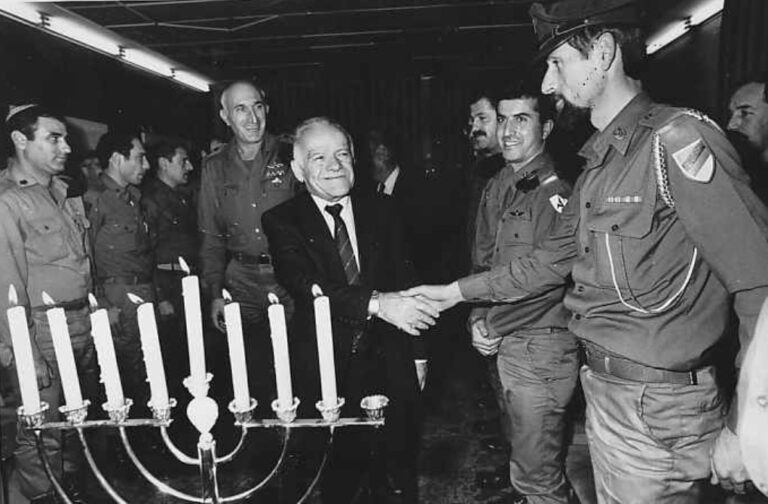
In this essay, I argue that the rhetoric behind “not in my name” actually mobilizes the same gesture as the popular Zionist move to innocence. While anti-Zionist Jews preface our solidarity with Palestine through an account of our own experience with suffering and persecution, so too does the Zionist Jew put that same suffering to use, albeit to opposite means. In other words, there is a fine line between the rhetorical purpose of anti-Zionists’ saying that genocide is not a Jewish value and Zionists’ using this same rhetoric to label Israeli violence as self-defense and not genocide. In fact, it is not a stretch to suggest that anti-Zionism’s re-emphasis on Jewish values as the means by which we validate Palestinian struggle is not a stand against Jewish supremacy but rather an appeal for it.